


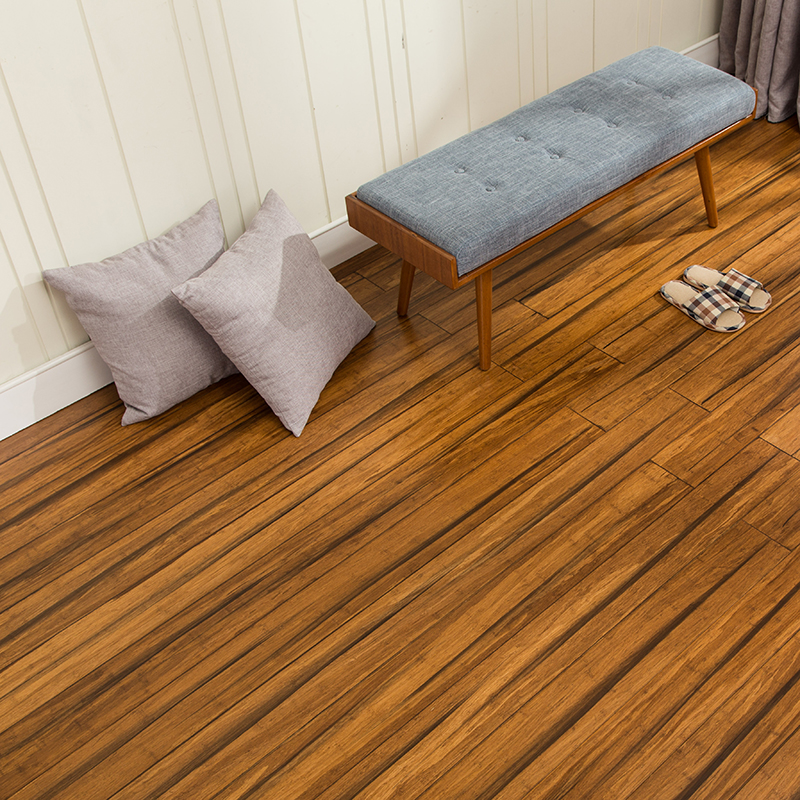
Eco friendly bamboo flooring has become a strong contender for homeowners and designers who want a material that balances durability, style, and responsibility toward natural resources. Bamboo’s fast growth cycle, refined processing methods, and expanding range of design options make it appealing for those seeking flooring that supports environmentally conscious living without sacrificing performance. As more homes incorporate sustainable features, bamboo flooring keeps gaining traction because it offers both practicality and a naturally warm aesthetic.
This article explores the qualities that make bamboo a responsible choice, the different types of bamboo flooring available, and how it performs under everyday conditions. It also looks at the factors that influence sustainability, so you have a clear understanding of what contributes to eco friendly flooring from start to finish.
Why Bamboo Is Considered a Sustainable Material
Bamboo is technically a grass, not a tree, which sets it apart from traditional hardwoods. Its growth rate is one of the main reasons it earns attention as a renewable resource. Countless species of hardwood trees take decades to mature, but bamboo reaches harvestable height in just a few years. Once cut, the plant regenerates from its own root system without needing replanting.
This rapid regrowth helps maintain soil health and reduces the strain on ecosystems that struggle to replenish slow‑growing tree species. Responsible bamboo cultivation also avoids harsh chemicals and typically requires less water than many crops.
Several factors contribute to its eco friendly profile:
-
Fast renewability
The speed at which bamboo matures makes it possible to harvest more frequently with minimal impact on the plant’s long‑term health. -
Minimal soil disruption
Because the root system remains intact after harvesting, erosion risk stays low, supporting long‑term soil stability. -
Efficient land use
Bamboo grows densely, allowing more usable material to be produced on less land compared to many hardwood forests. -
Naturally low maintenance growth
Pesticide and fertilizer requirements tend to be modest, reducing environmental impact.
These features form the backbone of bamboo’s sustainability, but eco friendly flooring involves more than just the raw material. Manufacturing practices, adhesives, finishes, and transportation also play roles, which we explore later.
Types of Eco Friendly Bamboo Flooring
While bamboo flooring shares the same source material, the construction methods vary, resulting in different performance characteristics and environmental profiles.
Strand‑Woven Bamboo
Strand‑woven bamboo is known for its strength and dense fiber structure. During production, bamboo fibers are woven together and compressed with heat and pressure. This creates planks that are harder than many hardwoods.
It often appeals to households with heavy foot traffic or pets. The manufacturing process uses more of the plant’s fiber, which can reduce waste compared to methods that rely on larger, specific cuts.
Horizontal and Vertical Bamboo
These traditional styles maintain a more recognizable bamboo appearance, showcasing the natural nodes and grain patterns. Horizontal planks feature wider grain variations, while vertical planks are crafted from narrow strips arranged side by side for a more uniform appearance.
Both styles use a straightforward lamination process and typically require fewer industrial steps, supporting their eco friendly appeal.
Engineered Bamboo Flooring
Engineered bamboo uses a bamboo wear layer bonded to a stable core. The construction creates a strong and reliable plank that resists humidity changes better than solid bamboo. It also allows manufacturers to produce more flooring from the same quantity of bamboo material.
This format works well in areas where moisture levels change throughout the year, offering long‑term stability while still presenting a natural bamboo surface.
How Bamboo Flooring Supports Sustainable Living
Eco friendly bamboo flooring extends beyond raw material sourcing. Its overall lifecycle contributes to sustainable living in several ways.
Long‑Term Durability
Durability is an essential part of sustainability. A long‑lasting product reduces waste and lowers the need for replacements. Strand‑woven bamboo, in particular, withstands scratches, dents, and heavy use. Even softer bamboo styles hold up well with basic care.
High‑quality finishes protect the surface from stains and everyday wear, giving the floor a long service life. A floor that lasts decades requires fewer resources over time compared to flooring that needs replacing every few years.
Reduced Waste During Manufacturing
Manufacturers can use smaller sections of bamboo and leftover fibers to create strong, consistent planks. The ability to utilize more of the plant supports efficient production and minimizes material waste.
Lower Environmental Footprint in Some Installations
Floating bamboo floors installed without adhesives can reduce chemical use. Even when glue‑down installations are preferred, many modern adhesives feature low VOC (volatile organic compound) formulations. Low‑VOC options help maintain better indoor air quality and minimize environmental impact during production.
Compatibility with Healthy Home Standards
Sustainable living is not limited to natural resources; it includes maintaining comfort and well‑being inside the home. Numerous bamboo flooring products carry certifications for low emissions, responsible sourcing, and safe manufacturing processes. These certifications help reassure homeowners that the materials they install contribute to a healthier living environment.
Performance in Modern Homes
Sustainability matters, but performance determines how well flooring supports daily life. Bamboo has become popular not only for its environmental benefits but also for its functionality.
Stability Across Seasons
Bamboo responds to humidity like all natural materials, but engineered formats offer improved resistance to seasonal movement. In climates with noticeable shifts between summer and winter, this stability helps the floor maintain its shape.
Strand‑woven and engineered bamboo both provide reliable performance, making them suitable for living rooms, bedrooms, and hallways. When installed correctly with proper acclimation, the planks resist warping and maintain a flat, attractive surface.
Comfort and Acoustics
Bamboo provides a comfortable, slightly resilient feel underfoot. It does not feel overly hard or cold, and underlayment can enhance comfort further.
Floating floors paired with acoustic underlayments help reduce sound transfer—a useful benefit in multifamily homes or second‑story installations. Glue‑down bamboo offers a firmer feel, often preferred in commercial spaces where a solid walking surface is desirable.
Resistance to Wear
Strand‑woven bamboo is valued for its hardness. Pets, furniture movement, and busy households often find it a strong match. Even traditional bamboo styles provide reasonable resistance when paired with modern finishes.
Routine cleaning—sweeping, vacuuming with a hardwood attachment, or lightly damp mopping—is usually enough to maintain a clean, polished appearance.
Style and Design Flexibility
Eco friendly bamboo flooring doesn’t limit design possibilities. Over time, manufacturers have refined techniques to offer a broad range of aesthetic choices.
- Wide color palettes ranging from pale blond to deep espresso tones
- Matte, satin, or semi‑gloss finishes to suit contemporary or traditional homes
- Wide and narrow planks for different visual effects
- Hand‑scraped, wire‑brushed, or smooth textures
- Natural or carbonized processing that adjusts shade without dyes
Carbonized bamboo undergoes controlled heat treatment to deepen the color, while natural bamboo retains its lighter appearance. Both methods maintain eco friendly qualities.
The versatility allows bamboo to complement Scandinavian, minimalistic, rustic, and more refined interior themes.
Factors That Influence Eco Friendliness
Choosing bamboo is a good start, but a truly sustainable floor depends on several other considerations.
Manufacturing Practices
Not all bamboo flooring is produced with equal environmental care. Responsible manufacturers prioritize:
- Low‑VOC adhesives
- Finishes with minimal chemical emissions
- Waste reduction during production
- Efficient use of bamboo stalks
- Verified sourcing practices
Certifications such as FSC (Forest Stewardship Council) for wood components or various emissions standards can offer clarity about the product’s impact.
Transportation Considerations
Bamboo is often grown in Asia, so shipping adds to its environmental footprint. However, the density of bamboo harvests, durability, and longevity often offset transportation impacts when compared with some hardwoods that require slow‑maturing forests.
Finish Quality
Long‑lasting finishes reduce the need for recoating or replacement. Fewer chemicals are used over the lifetime of the floor when the finish remains intact for many years.
End‑of‑Life Handling
Some bamboo floors can be repurposed or recycled, especially those with low‑VOC adhesives and minimal contaminants. Reusability further enhances sustainability.
Practical Tips for Selecting Eco Friendly Bamboo Flooring
When shopping, keep several factors in mind to ensure the flooring aligns with sustainable goals.
- Look for certifications that verify low emissions and responsible sourcing.
- Choose products with high‑quality finishes to extend lifespan.
- Consider engineered bamboo if your home experiences wide humidity swings.
- Ask manufacturers about adhesive types used in construction.
- Review installation recommendations to achieve maximum stability.
- Compare warranties, as longer coverage often reflects stronger manufacturing standards.
These considerations support a purchase that balances environmental responsibility with practical performance.
Maintenance That Supports Longevity
Sustainability continues after installation. Good care habits preserve the floor and help extend its useful life.
- Sweep or vacuum regularly to remove grit.
- Wipe spills promptly to avoid moisture damage.
- Keep indoor humidity levels within a recommended range.
- Use protective pads under furniture.
- Place mats at entrances to reduce dirt and moisture exposure.
- Avoid abrasive cleaners; choose products made for bamboo or hardwood.
Consistent care allows the flooring to function at its best for many years, supporting the concept of long‑term sustainability.
Eco friendly bamboo flooring combines renewable sourcing, solid durability, and appealing design choices, offering homeowners a way to bring natural warmth into their spaces without compromising environmental values. Its layered strengths—from rapid renewability to impressive wear performance—make it a dependable option for modern living. Whether used in a large open layout or a modest renovation, bamboo flooring presents a responsible approach to creating spaces that feel grounded, comfortable, and thoughtfully designed.

Loading comments...