


Book Description
Walk through any historic building or scroll through an architectural design magazine, and you’re likely to encounter a common yet often overlooked detail — the balustrade. Whether crafted from stone, wood, or metal, balustrades bring both beauty and function to staircases, balconies, terraces, and even parapets. But beyond their visual appeal, balustrades have played a significant role in architectural history and modern design.
Let’s dive into the world of balustrades, exploring their meaning, origin, design variations, and how they continue to elevate the aesthetics and safety of buildings across the world.
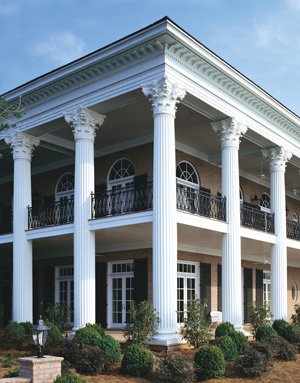
What Is a Balustrade?
A balustrade is a series of small columns, known as balusters, topped by a rail. Typically used to line staircases, balconies, terraces, and porches, balustrades serve two primary purposes: safety and decoration.
The term “balustrade” finds its roots in the Italian word balaustrata, derived from balaustro, meaning “pomegranate flower”—a nod to the shape of traditional balusters, which resemble the swelling curves of the flower’s blossom. This architectural feature dates back to ancient Greece and Rome and has stood the test of time for its structural integrity and decorative appeal.
The Balustrade: More Than Just a Railing
When most people think of balustrades, they imagine staircases in elegant mansions or the terraces of European palaces. While that’s certainly accurate, the balustrade plays a bigger role in both classic and contemporary design.
From Renaissance balconies to modern city terraces, balustrades have evolved in material, style, and purpose. Yet, they always maintain their essential function: providing a barrier that enhances safety without compromising on style.
Today, balustrades are featured in a wide range of properties—residential homes, commercial spaces, institutional buildings, and public landmarks. They’re not limited to grand estates or historic architecture. Instead, they’ve become a universal design element that adds structure and sophistication to everyday spaces.
Key Components of a Balustrade
A balustrade isn’t just a random collection of posts and rails. It’s a carefully constructed system composed of several parts, each contributing to its form and function:
Balusters: The vertical posts that support the railing.
Handrail or Cap Rail: The top rail you typically hold onto; it sits atop the balusters.
Base Rail or Plinth: The lower rail where the balusters rest.
Newel Posts: Larger posts that anchor the balustrade at the start, end, or corners.
Together, these components provide strength, support, and style.
Types of Balustrades by Material
Balustrades come in various materials, each offering its own aesthetic and practical advantages. Your choice often depends on the architectural style of your building and your personal preferences.
1. Stone Balustrades
These are the hallmark of classical architecture. Stone balustrades are often seen in palaces, historic buildings, and upscale estates. They’re durable, weather-resistant, and timeless in appearance.
2. Wooden Balustrades
Wood brings warmth and tradition to both indoor and outdoor spaces. These are often found in colonial homes, Victorian-era buildings, and even rustic cabins. Depending on the finish, wooden balustrades can look either elegant or rugged.
3. Metal Balustrades
From wrought iron to stainless steel, metal balustrades are sleek and strong. They’re commonly used in modern and industrial-style buildings for their clean lines and minimalistic charm.
4. Glass Balustrades
For a contemporary and open look, glass balustrades are a go-to. They provide safety without blocking the view, making them popular in luxury homes, hotels, and rooftop patios.
5. Concrete and Composite Balustrades
These materials offer the look of stone but at a fraction of the cost and weight. They’re perfect for large-scale construction projects where both budget and aesthetics matter.
Why Install a Balustrade?
Here are some compelling reasons to consider installing a balustrade in your home or property:
1. Safety
First and foremost, balustrades prevent people from falling off staircases, balconies, or elevated platforms. They’re essential in homes with children or elderly residents and are often required by building codes.
2. Aesthetic Appeal
Balustrades elevate the visual appeal of any space. Whether it’s a spiral staircase with ornate balusters or a sleek glass railing around a rooftop terrace, balustrades make a design statement.
3. Property Value
Architectural details like balustrades can significantly boost the market value of a home. They suggest craftsmanship, quality, and attention to detail—traits that appeal to potential buyers.
4. Customization
With countless materials, finishes, and designs to choose from, you can customize a balustrade to suit your unique style—be it traditional, modern, rustic, or eclectic.
Balustrades in Interior vs. Exterior Design
Interior Use
Inside a home, balustrades are often seen along staircases, lofts, and mezzanine levels. They help define spaces and add vertical interest to your interiors. A well-designed interior balustrade can serve as the focal point of your home’s entrance or living area.
Exterior Use
Outside, balustrades line balconies, decks, porches, and stairways. They must be weather-resistant and robust, able to withstand outdoor elements without deteriorating.
For outdoor use, materials like stone, concrete, or powder-coated metal are preferred, while wood may require regular maintenance and sealing.
Maintenance Tips for Balustrades
Like any architectural feature, balustrades require care to retain their appearance and strength:
Wood: Sand and re-stain or paint every few years to prevent moisture damage.
Metal: Check for rust, especially in joints and bolts. Apply rust-resistant paint as needed.
Glass: Clean regularly with a mild soap solution and inspect for chips or cracks.
Stone: Clean with water and a soft brush; seal the surface to protect against staining.
Composite: Low-maintenance but check for fading or wear in extreme climates.
Proper maintenance ensures your balustrades last for decades and continue to enhance your space.
Choosing the Right Balustrade for Your Project
Selecting the perfect balustrade depends on several factors:
Architectural Style: Is your home modern, colonial, Mediterranean, or industrial?
Budget: Materials like stone and glass tend to cost more, while wood and composite options are more affordable.
Purpose: Is the balustrade primarily decorative, or must it meet specific safety standards?
Climate: For outdoor balustrades, consider weather conditions—like high humidity or salty sea air—that could affect longevity.
Collaborating with a knowledgeable architect or supplier can make the selection process smoother and more tailored to your needs.
Common Myths About Balustrades
Let’s bust a few misconceptions:
Myth 1: Balustrades are outdated.
Truth: While balustrades have ancient roots, today’s designs are anything but old-fashioned. Glass, steel, and hybrid models bring a modern flair to this age-old feature.
Myth 2: Balustrades are only for mansions.
Truth: You’ll find balustrades in modest homes, townhouses, commercial buildings, and public spaces. They’re both functional and versatile.
Myth 3: All balustrades are the same.
Truth: From intricately carved marble to minimalist steel rods, balustrades come in endless designs and materials.
FAQs About Balustrades
Q1: What’s the difference between a balustrade and a railing?
A railing refers to the top part (handrail) that people hold onto, while a balustrade includes the entire system—balusters, handrail, and base rail.
Q2: Are balustrades required by law?
In most residential and commercial buildings, yes. Local building codes often mandate balustrades for safety, especially for stairs and elevated platforms.
Q3: Can I install a balustrade myself?
DIY installation is possible with some kits, especially for wood or composite materials. However, complex or structural installations should be handled by professionals.
Q4: How tall should a balustrade be?
Height regulations vary by region, but generally, balustrades should be at least 36 to 42 inches tall for safety compliance.
Q5: Are glass balustrades safe?
Yes. When made with tempered or laminated glass, these balustrades are extremely safe and strong. Many even include aluminum or steel framing for extra support.
Final Thoughts: Balustrades Are a Blend of Safety and Sophistication
In both ancient temples and modern high-rises, balustrades have proven their value. They bridge the gap between utility and artistry, offering a protective barrier that’s as beautiful as it is necessary.
Whether you’re building a new home, restoring a historic property, or upgrading your office space, consider how a well-designed balustrade can transform your structure. And when you’re ready to elevate your project with quality craftsmanship and timeless designs, look no further than MeltonClassics — a trusted name in architectural elegance.
