


Book Description
The rapid expansion of digital technology has transformed countless industries, and gambling is no exception. In recent years, online casinos have emerged as a major force, not only reshaping how people place bets but also influencing cultural and social norms around gambling. For instance, platforms like 1 win have gained popularity by offering a seamless, modern betting experience that combines accessibility, variety, and technology, and this evolution continues to spark conversation in different parts of society. Yet, while the industry is booming, public attitudes towards online gambling remain complex, nuanced, and ever-evolving.
The Rise of Online Casinos: A Technological Shift
At the heart of the modern online casino boom lies the widespread digitization of everyday life. From streaming services to virtual banking, people now expect convenience, speed, and flexibility—and online gambling platforms deliver exactly that. The transition from physical casinos to online alternatives has opened up a world of possibilities. Today, it takes just a few clicks to access thousands of games, from poker to roulette, and even real-time dealer experiences. More importantly, these platforms offer global accessibility. Gamblers are no longer bound by geography or national regulations in the same way they once were. With this accessibility, however, come questions about regulation, fairness, and the psychological impact of easy-to-access gambling opportunities.
Changing Social Perceptions: From Taboo to Trend
Traditionally, gambling has carried a social stigma in many cultures. It was often associated with risk, addiction, and moral judgment. However, in the 21st century, especially with the rise of digital entertainment, these perceptions have shifted. Young adults in particular—digital natives who grew up surrounded by apps and online games—see online casinos less as dens of vice and more as platforms of entertainment, risk-taking, and even skill. Social media has also played a significant role in normalizing online gambling. Influencers, streamers, and professional bettors share their experiences openly, engaging thousands (or even millions) of followers. Gambling is no longer confined to smoky rooms; it’s live-streamed, discussed in podcasts, and featured in viral content. Despite this, critics argue that such normalization may downplay the real risks involved. Gambling addiction remains a pressing concern, particularly when younger audiences are exposed to glamorized versions of betting through influencers and celebrities.
1Win Kenya: A Modern Platform for Modern Punters
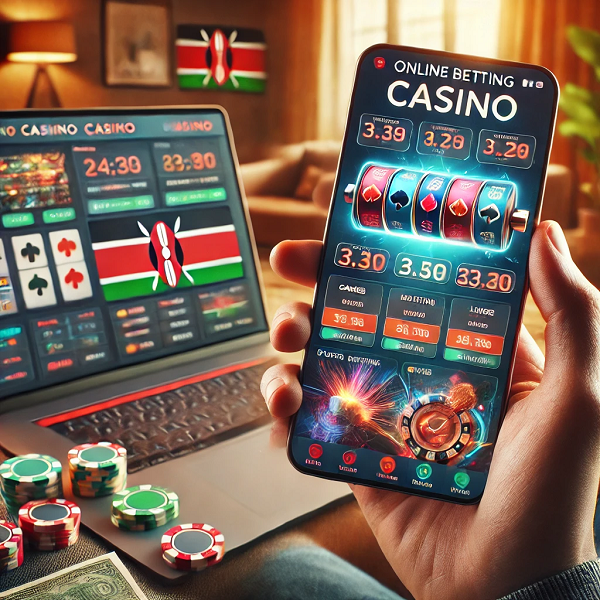
Amid this digital revolution stands 1Win Kenya, a platform that caters specifically to the evolving needs of the Kenyan market. With support for the local currency and a streamlined mobile app, it offers unmatched convenience. Whether you’re a seasoned gambler or a casual player, the platform’s intuitive interface and diverse offerings are hard to ignore. What sets 1Win Kenya apart is its deep integration with the local context. By supporting Kenyan shillings and familiar payment systems, users avoid unnecessary conversion fees and can focus purely on the betting experience. For a country where mobile banking is dominant, this feature makes a huge difference. Additionally, the site isn’t limited to just casino games—it offers betting options for more than 40 sports, including mainstream favorites like football and rugby, as well as niche sports like snooker and Gaelic football. This broad range ensures there’s something for everyone, no matter their interests or background.
The Gamification of Gambling
Another factor changing societal attitudes is the gamification of gambling. Modern platforms now incorporate elements from video games—like achievements, leaderboards, and multiplayer features—to make the experience more engaging and less transactional. This blending of entertainment and betting is particularly evident in crash games, live dealer experiences, and mini-games that simulate arcade-style challenges. The 1win aviator app, for instance, combines betting with real-time visuals and risk-reward mechanics that appeal to gamers and bettors alike. As gambling becomes more immersive, society’s view of it is also evolving—from a solitary vice to a social, even recreational, activity.
The Role of Trust and Transparency
Despite growing acceptance, trust remains a central issue in the online gambling world. Concerns about rigged games, delayed payouts, and lack of customer support are still prominent in many forums and reviews. Reputable platforms address these concerns head-on by offering transparent statistics, real-time match updates, and robust customer support. 1Win Kenya, for example, includes a comprehensive statistics section that empowers users to make informed bets based on real-time data. This transparency helps build credibility and fosters a healthier gambling ecosystem. Moreover, regulatory oversight is improving. Many countries are now crafting legislation specifically for online gambling, aiming to protect consumers while encouraging innovation in the space. This legal recognition adds another layer of legitimacy, which in turn influences public opinion positively.
Addiction and Responsibility: The Double-Edged Sword
However, the conversation around online casinos would be incomplete without acknowledging the potential downsides. The same features that make these platforms appealing—convenience, anonymity, constant availability—can also contribute to addiction. Unlike traditional casinos that require physical presence and time commitment, online casinos are available 24/7. This “always-on” model can make it difficult for some users to set boundaries. Moreover, because transactions are often digital and cashless, it’s easy to lose track of spending. Many platforms, including 1Win, are increasingly aware of these risks. They incorporate responsible gambling tools like self-exclusion options, spending limits, and reminders to take breaks. However, societal attitudes toward these measures remain mixed. While some praise them as essential safeguards, others view them as superficial attempts at risk management.
eSports, Youth Culture, and the Future of Gambling
The rise of eSports has added yet another layer to the online gambling ecosystem. Young audiences, who might never set foot in a traditional casino, are placing bets on virtual competitions. This evolution reflects a broader cultural shift, where entertainment, technology, and betting are blending into a unified experience. Platforms like 1Win Kenya are quick to adapt. Their dedicated eSports sections include real-time updates, analytical overviews, and competitive odds that mirror traditional sports betting. By staying ahead of these trends, such platforms continue to shape—and be shaped by—the next generation of gamblers.
Social Media and Community-Driven Gambling
One of the most remarkable aspects of today’s online gambling world is its sense of community. Through Twitter, Telegram, Facebook, and Instagram, platforms like 1Win foster environments where users can share tips, celebrate wins, and stay updated on promotions. This communal aspect is essential in shifting public opinion. Gambling is no longer a secretive, solitary activity. It’s discussed openly, celebrated publicly, and even supported through online friend groups. This transparency, in turn, reduces stigma and encourages more informed discussions about the risks and rewards of betting.
A Society in Transition
Online casinos are not just changing the way people gamble—they’re changing how society thinks about gambling itself. Platforms like 1Win Kenya, with their local adaptability and broad entertainment offerings, are helping reshape the image of the industry. No longer shrouded in taboo, online gambling is emerging as a form of digital entertainment that combines thrill, strategy, and social connection. Still, this shift is not without challenges. Addiction, regulatory concerns, and public trust must continue to be addressed as the industry grows. But as long as platforms remain transparent, responsible, and innovative, it’s likely that societal acceptance will only deepen with time. In the end, the attitude toward online casinos in modern society is a mirror of broader cultural trends: tech-driven, socially connected, and constantly evolving.
