

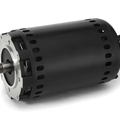
Powering Efficiency: The 115mm Shaft Single-Phase Induction Motor and the S1/S2 Working Systems
by hengyemotor
Book Description
In industrial and specialized railway auxiliary applications, the single-phase induction motor is a critical component for tasks ranging from fan operation to light-duty actuators
. When dealing with heavy-duty specifications, such as a 115mm shaft diameter, precision engineering and a clear understanding of the working system (duty cycle) are essential for ensuring long-term reliability and performance.
1. The Importance of Shaft Diameter and Precision
The shaft is the mechanical heart of the motor, responsible for transmitting rotational force to the gearbox or load
. For motors with significant dimensions like a 115mm shaft diameter, mechanical integrity is paramount.
Bearing Fit: Large shafts require specific bearing tolerances to prevent radial clearance issues. In high-performance railway motors, diameters must be checked on the racer seats and recorded accurately during maintenance to ensure a perfect fit
.
Robustness: A larger shaft diameter typically correlates with higher torque handling capabilities, essential for motors operating in harsh environments where vibration resistance is required
.
2. Understanding the S1 and S2 Working Systems
The “Working System” or duty cycle defines how a motor manages heat during operation. Motors such as the Motovario S series are often classified by these ratings
.
S1 (Continuous Duty): This system is designed for motors that operate at a constant load for a long enough duration to reach thermal equilibrium
. The S1 working system is the standard for applications like ventilation fans or continuous conveyor systems where the motor never stops during the work shift
.
S2 (Short-Time Duty): In contrast, the S2 system is intended for motors that run for a short period—often 10, 30, or 60 minutes—followed by a rest period that allows the motor to return to ambient temperature. This is ideal for railway rail actuators or signaling mechanisms that only engage periodically
.
3. Key Technical Features of Single-Phase Induction Motors
Single-phase asynchronous motors (such as the S and HSE series) offer several advantages for industrial use:
Reliability: These motors are robust and require lower maintenance because they lack the complex brush-gear and commutators found in DC machines
.
Starting Torque: For high-inertia loads, variants like the HSE series feature electronic cutouts to provide the “extra push” needed during start-up
.
Protection Classes: To survive track-side or industrial exposure, these motors often feature IP54 to IP65 protection, shielding them from dust and moisture
.
4. Maintenance and Operational Safety
To ensure the longevity of a 115mm shaft motor, strict maintenance schedules must be followed:
Insulation Resistance: Periodically check the resistance between phases and earth (typically requiring a minimum of 2.18 M Ohms)
.
Thermal Protection: Utilize stator temperature probes to monitor for thermal overloads, which is especially vital for S1 continuous duty cycles
.
Shaft & Bearing Care: During overhauls, the shaft must be cleaned with solvents to remove rust protection, and bearings should be replaced using specialized presses to avoid damaging the internal windings
