


Book Description
Understanding the psychological mechanisms that influence betting behavior in live games is essential for both casual players and serious gamblers. Players often face intense emotional and cognitive challenges while engaging in real-time wagering, which can drastically affect their choices and outcomes. For instance, those attempting an ice fishing game online real money approach may be exposed to unique mental pressures that shape how risks are assessed and bets are placed in the moment.
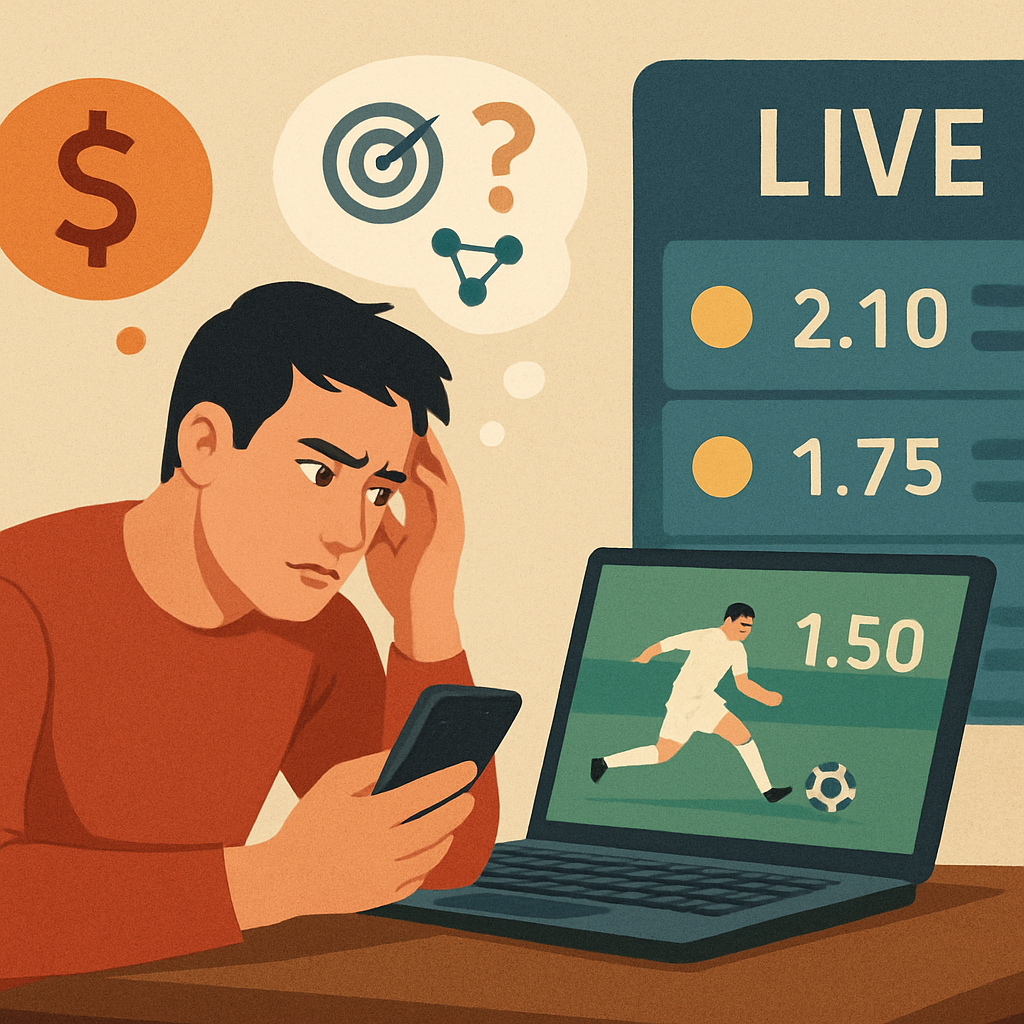
Live betting presents a distinctive psychological environment, significantly different from pre-match betting. The immediacy of decisions combined with continuous game updates demands rapid cognitive processing, often under heightened emotional arousal. This can trigger impulsive reactions fueled by curiosity, excitement, or frustration, which may override carefully considered strategies. Recognizing these patterns helps players control impulsivity and maintain a clear mindset during live events.
One of the critical psychological factors in live betting is risk perception. The dynamic flow of the game continuously reshapes players’ evaluation of odds and potential rewards. As a result, bettors might experience the “illusion of control,” believing they have a better grasp of uncertain events due to real-time information, even though outcomes remain fundamentally unpredictable. This cognitive bias encourages placing additional wagers or increasing stakes mid-game, occasionally leading to suboptimal decisions.
Another element influencing live betting psychology is the concept of immediate gratification. The instant feedback loop of wins or losses in live environments stimulates the brain’s reward centers, reinforcing behaviors that may not be in the bettor’s long-term interest. This heightened stimulation is particularly apparent in games that combine multiple formats into one, such as the innovative structure found in the Ice Fishing game. By merging diverse gameplay elements and ensuring instant payouts, Ice Fishing enhances player engagement but also requires heightened emotional regulation to avoid reckless betting patterns.
Stress and emotional swings are also significant contributors to decision-making quality in live betting. The rapid succession of events and changing odds can provoke anxiety, excitement, or disappointment, which may cloud judgment. Players invested emotionally might chase losses or double down after wins, behaviors driven more by mood fluctuations than by strategic reasoning. Effective bettors develop techniques to detach emotionally and analyze situations dispassionately, a skill that can be fostered by understanding one’s psychological triggers.
Moreover, social and environmental factors cannot be overlooked. The presence of online communities, chat features, or live streams adds social dynamics that can exert peer influence or foster competition, further complicating cognitive control. The feeling of being “in the moment” with others can exacerbate risk-taking tendencies or reinforce betting biases. Games like Ice Fishing capitalize on these social engagement aspects by encouraging interactive formats that blend real-time excitement with user connection.
In sum, the psychology of live betting is an intricate interplay of cognitive biases, emotional responses, and social influences. Mastering this psychological landscape requires self-awareness, discipline, and an understanding of how specific game mechanics shape player behavior. The Ice Fishing game exemplifies how combining instant payouts with multifaceted gameplay demands heightened psychological resilience from participants. By appreciating these psychological dynamics, bettors can improve decision-making quality, minimize impulsive errors, and ultimately have a more rewarding experience in live betting scenarios.
